
Westlake Austin TX Living: Is the Luxury Price Worth It?

Justin Rossi • March 24, 2026

Share this article


TL;DR

Westlake Austin offers a unique blend of proximity to downtown, elite schools (Eanes ISD), and a private hill-country feel. While the price of entry is steep, often starting above $2 million, buyers pay for this unparalleled combination of lifestyle, education, and natural beauty, making it a premium choice for specific family priorities.

---

📺 Watch the video: https://www.youtube.com/watch?v=s9CacrKkRbA

After helping numerous families navigate the Austin real estate market, we can confidently say that living in Westlake Austin TX is absolutely worth the premium price for those who prioritize its unique blend of top-tier schools, stunning natural beauty, and unparalleled proximity to downtown. With median home prices in the 78746 zip code currently ranging from $1.6 to $1.7 million, it's a significant investment, but one that consistently delivers strong long-term value.


In our experience as local Austin real estate advisors, we've observed that the demand for Westlake properties remains exceptionally high, largely due to its distinct character that sets it apart from other Austin suburbs. Unlike master-planned communities further out, Westlake offers an established, protected feel, where strategic planning prioritizes natural beauty and residential privacy, a key differentiator for many discerning buyers.


But what exactly defines the Westlake lifestyle? And who is this exclusive area truly best suited for? In this comprehensive guide, we'll break down the 'Big Three' value drivers—location, schools, and topography—examine the realistic price of entry, and help you determine if the 'Westlake premium' aligns with your family's priorities.


What Makes Westlake Austin's Location So Desirable?

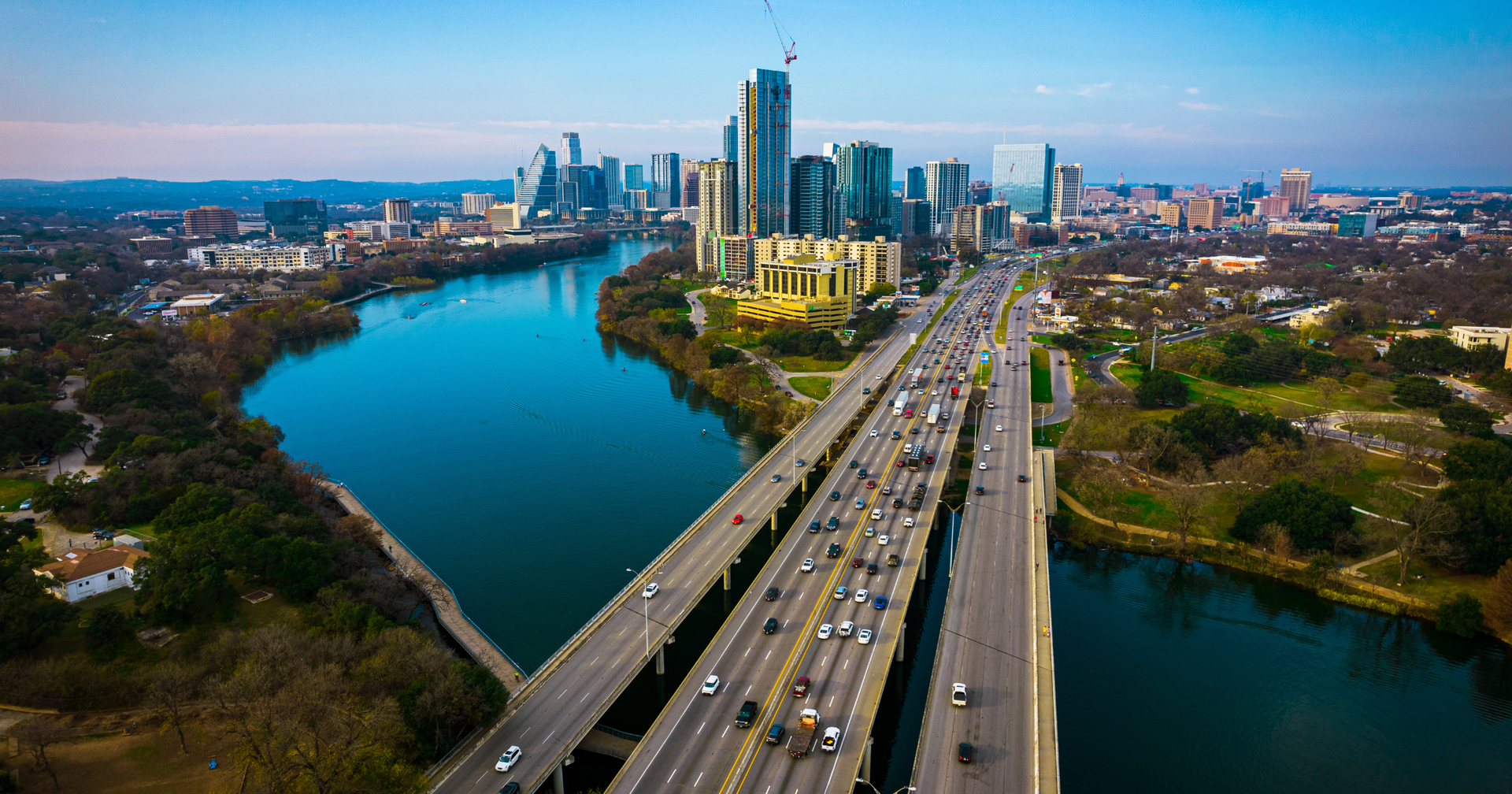
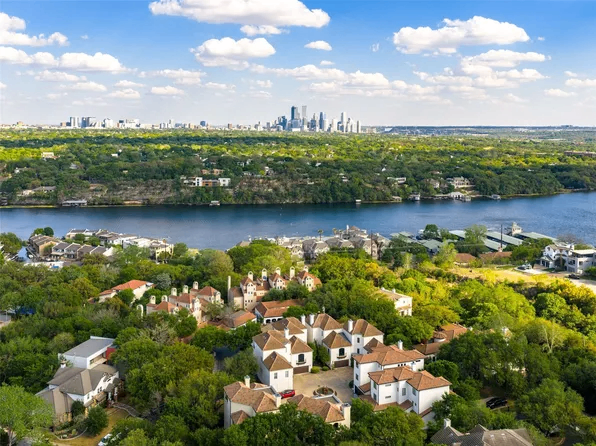
Westlake's location is highly desirable because it offers scenic rolling hills and lake views with exceptionally easy access to downtown Austin, providing a unique blend of natural beauty and urban convenience. When buyers refer to Westlake, they often encompass Westlake Hills, Rollingwood, and the entire Eanes ISD corridor, all of which sit just west of downtown Austin.


This close proximity is a primary draw, offering easy access to the vibrant downtown core, top-tier medical facilities, and a selection of highly ranked public and private schools. However, it’s important to understand that Westlake is not like the easy North Austin suburbs. You won't find flat, master-planned communities with every convenience at your fingertips, as you might in areas like Cedar Park or Buda. For a deeper look into suburban options, you might find insights in Is Buda TX Near Austin Actually Worth It? The Honest Pros, Cons, and Tradeoffs.


Westlake truly appeals to those who specifically seek its unique offerings: direct access to Lake Austin, rolling hills, stunning scenery, and luxury homes, all within a stone's throw of the city center. It’s a specific choice for a specific buyer, not just someone looking for a nice home in the broader Austin metro area. This distinction is crucial for setting realistic expectations.


What is the Day-to-Day Lifestyle Like in Westlake Austin?

The day-to-day lifestyle in Westlake Austin is primarily neighborhood and residential-oriented, focused on privacy, routine, and a close connection to nature, rather than the urban hustle and bustle of downtown. Westlake feels protected, established, connected, and affluent—it has a distinct vibe you won't find in other close-in Austin pockets.


The City of Westlake's strategic planning department actively works to preserve its natural beauty and residential feel, reflecting the values of its residents. The natural environment is deeply woven into the residential lifestyle; winding roads, mature trees, scenic views, and homes surrounded by nature are all defining characteristics. While you're close enough to downtown Austin, Westlake doesn't feel urban. It's not about walkability, coffee shops on every corner, or the trendiest bars. Instead, it prioritizes privacy, topography, and the natural landscape, allowing residents to be near the city without feeling consumed by it.

This creates a unique bubble where life is centered around the home and family, with easy access to the outdoors. Many people think they're just buying a luxury home here, but it's much more than that: it's the highly ranked schools, the convenient commutes into downtown, and the serene hill-country setting as a whole. To understand who thrives in Austin's various pockets, consider watching Who is Really Moving to Austin Texas in 2026 & What it Means for Buyers.


Understanding Westlake Homes: Styles, Lots, and What You're Paying For

Westlake homes offer a variety of styles, from historic to hyper-modern new builds or extensively renovated properties, with buyers paying not just for square footage but for a premium setting that includes top-ranked schools, fantastic views, and easy access to Lake Austin and downtown. The area is renowned for its upscale neighborhoods and luxury builds, but you'll also find a mix of historic homes, lots that have been completely redeveloped with modern designs, and residences that have undergone extensive renovations.


In Westlake, the setting is often as important as the home itself. You're not simply paying per square foot; you're investing in a premium home within a premium area. This means the price includes access to highly ranked schools, incredible views, close proximity to Austin, and easy access to nature and Lake Austin. The Texas Hill Country terrain, with its winding roads and steep hills, significantly influences neighborhood character and the architectural styles that can be built, leading to truly unique homes even within the same community.


This topography also contributes to Westlake's less urban feel. The necessity for strategic placement of businesses means you won't find strip malls on every corner. While this can sometimes mean slightly less immediate access to day-to-day amenities, it also ensures a greater sense of removal from the urban sprawl. The housing story here isn't about finding the biggest house for the best deal; it's about whether a specific setting, lot topography, and home perfectly align with your desired lifestyle and justify the premium.


What is the Realistic Price of Entry for Westlake Austin Homes?

The realistic price of entry for homes in Westlake Austin starts upwards of $2 million, with the median price in the 78746 zip code currently ranging from $1.6 million to $1.7 million, significantly higher than the city of Austin's overall median of $500,000. This is where Westlake becomes very real, very fast, for many buyers. It's crucial to understand that this is not a budget-friendly or entry-level market.


Westlake is desirable premium Austin, and you're paying for all the intangible benefits that come with living here: the schools, the views, the easy access to the outdoors, and the convenience of the downtown corridor. This combination of factors ensures consistent demand and a premium price tag.

Area Median Home Price
Westlake Hills (starting) $2,000,000+
Westlake (78746 ZIP) $1,600,000 - $1,700,000
City of Austin (overall) ~$500,000

Furthermore, high demand and premium pricing mean that residents tend to stay put for longer periods, resulting in fewer homes on the market compared to other areas of Austin, even luxury or golf course communities further out. This limited inventory further contributes to the area's strong value proposition and helps explain why the clarity alone is a big part of why it has such strong staying power.


Why Eanes ISD is a Major Driver for Westlake Home Values

Eanes ISD is a major driver for Westlake home values because it is consistently one of the most highly ranked and distinguished independent school districts in Texas, making it a non-negotiable priority for many relocation families and ensuring strong long-term property values. For many of our clients moving here with families, Eanes ISD is the primary factor driving their consideration of Westlake.


My wife, for example, attended Westlake High School and found it to be an absolutely fantastic school. The consistently high rankings on third-party websites for Eanes ISD schools are a significant draw, ensuring sustained demand for homes in the area and robust long-term investment values. The lifestyle and vibe here are definitely not about having everything right outside your front door; it's more about the conveniences of highly ranked schools, abundant nature, and lake life.


If these priorities align with your family's needs, and you're comfortable not being in the immediate core of the city, then Westlake makes a lot of sense. For families exploring other top-rated communities in the region, The 5 Best Communities for Families Living in Austin Texas (Local Breakdown)   offers additional valuable insights.

Who Should and Shouldn't Consider Living in Westlake Hills Austin TX?

Westlake Hills is ideal for buyers prioritizing top-ranked schools, abundant green space, easy nature access, and proximity to Austin in a protected setting, but it's not for those seeking urban walkability, master-planned community amenities, or a budget-friendly option.

Westlake is perfect for buyers who prioritize:

  • Top-ranked schools: Families for whom elite education (Eanes ISD) is a non-negotiable.


  • Greener space and nature access: Those desiring a strong connection to the Texas Hill Country's beauty without being too far removed from the city, like Dripping Springs or Fredericksburg.


  • Proximity with privacy: Easy access to downtown Austin (10-15 minutes) but in a setting that feels protected and isolated.


  • Luxury market shopping: Buyers with a budget expecting and willing to pay a premium for this unique combination of amenities and lifestyle.


However, Westlake is definitely not for everyone. It's not the right fit if you:

  • Don't value highly ranked schools: If education isn't a primary driver, the premium price tag can seem unjustified.


  • Desire urban walkability: If you crave the "Keep Austin Weird" vibe, live music, coffee shops, and trendy bars on every corner, Westlake's quiet, residential nature might feel less exciting.


  • Seek master-planned amenities: It lacks the large community pools, lazy rivers, and extensive amenity centers found in many newer master-planned suburbs. Westlake is more about your home and lot than a community-wide amenity package.


  • Constantly compare value: If you're always going to compare it to how much more home you could get for the money in a different area, the premium price might not make sense for you. This is where the biggest mistake buyers make can happen; choosing Westlake for the wrong reasons can lead to regret.


Ultimately, fit matters immensely here. Those who choose Westlake for the right reasons—aligning with its unique lifestyle and priorities—absolutely love it. Conversely, those who choose it merely for its notoriety may find themselves questioning their investment a few years down the road.


Key Takeaways

  • Unmatched Combination: Westlake uniquely blends a close-in downtown Austin location with the prestigious Eanes ISD and authentic Texas Hill Country topography, a combination rarely found elsewhere in the metro area.


  • Premium Price, Premium Value: Starting above $2 million, homes in Westlake (78746 median $1.6M-$1.7M) command a significant premium, reflecting high demand for its schools, views, and proximity to nature and city amenities.


  • Lifestyle Focus: The Westlake lifestyle is residential, private, and nature-oriented, prioritizing a "protected bubble" feel over urban walkability or master-planned community amenities.


  • Eanes ISD's Influence: The consistently top-ranked Eanes Independent School District is a primary non-negotiable for many families, driving demand and ensuring strong long-term resale value for properties in the area.


  • Topography Shapes Living: The area's hilly, winding terrain means homes are unique and strategically placed, offering privacy and views but also dictating a less urban, less "convenient" day-to-day experience compared to flatter suburbs.


Should You Move to Westlake Austin TX?

Westlake Austin might be right for you if you prioritize:

  • Access to one of Texas's top-ranked school districts (Eanes ISD) for your children's education.


  • A private, established residential feel surrounded by natural beauty and rolling hills.


  • Close proximity (10-15 minutes) to downtown Austin for work or occasional entertainment.


  • Easy access to Lake Austin and outdoor activities, with stunning views.


  • Willingness to invest a significant premium for a unique, high-demand lifestyle.


Westlake Austin might NOT be the best fit if you prioritize:

  • A budget-friendly or "most house for your money" approach, as prices start over $2 million.


  • An urban, walkable environment with coffee shops, trendy bars, and constant city energy.


  • Master-planned community amenities like large pools, lazy rivers, or extensive community centers.


  • Newer, uniform housing developments on flat terrain with highly convenient, adjacent retail.


Frequently Asked Questions (FAQ)

Q: How does Westlake's cost of living compare to other Austin areas?


A: Westlake's cost of living is significantly higher than the average for the city of Austin. While the overall median home price in Austin is around $500,000, Westlake homes start well above $2 million, with the median in the 78746 zip code ranging from $1.6 million to $1.7 million. This premium reflects the desirable schools, location, and lifestyle.


Q: What are the main "watch-outs" for buyers in Westlake Austin?


A: Buyers should be aware of a few key "watch-outs." The hilly terrain can mean winding roads and potentially older infrastructure, which can impact lot usability or renovation costs. Additionally, while close to downtown, the area is not designed for walkability or immediate access to every convenience, requiring strategic placement of businesses. It's not a master-planned community, so amenities are often home-specific rather than neighborhood-wide.


Q: Is Westlake Austin a good long-term real estate investment?


A: Yes, Westlake Austin generally offers strong long-term real estate investment value. Its unique combination of highly ranked Eanes ISD schools, close proximity to downtown, and protected hill-country topography creates consistent high demand. The continuous focus on improving infrastructure and preserving nature by the City of Westlake also contributes to its strong staying power and appreciation.


Q: How does Westlake balance its "hill country feel" with proximity to downtown?


A: Westlake achieves this balance through its natural topography and strategic planning. The winding roads, steep hills, and abundant trees create a secluded, rural-like atmosphere, even though it's only 10-15 minutes from downtown. The city's planning department actively protects this natural beauty, preventing dense urban development and preserving the residential, private feel that residents cherish.


Q: What are the alternatives to Westlake Austin for luxury buyers?


A: For luxury buyers, alternatives to Westlake Austin might include Tarrytown for a more urban, walkable, and historic feel closer to the city center, or Rollingwood for a similar close-in, affluent vibe. Lakeway offers more of a lake-centric, resort-style luxury, while areas further out like Dripping Springs or Fredericksburg provide a deeper dive into the Texas Hill Country experience with more land, but further commutes.


---

Watch the Full Video

For more insights, watch the complete video: Living in Westlake Austin Texas | Is It Worth it The Price?

---


Making Your Move Easier

Moving forward does not have to be overwhelming. With the right guidance and support, you can navigate this journey smoothly. Justin is ready to help you every step of the way.


Here's how to get in touch:


📧 Email: justin@justin-rossi.com


📞 Phone: (512) 312 7379


💻 YouTube: Everything Austin TX

Recent Posts

By Justin Rossi May 19, 2026
TL;DR Many buyers relocating to A ustin, Texas, fall for common myths that can lead to expensive mistakes, from underestimating true monthly costs due to high property taxes and hidden fees to believing all suburbs are interchangeable. We expose these 7 critical lies, emphasizing the importance of independent agent representation for new builds and strategic negotiation, ensuring a smart long-term real estate investment. --- 📺 Watch the video: https://www.youtube.com/watch?v=0cGHCxDAbTA
By Justin Rossi May 15, 2026
After helping numerous families relocate to Austin over the years, we've learned that while a neighborhood might look perfect on paper, the daily reality can be quite different. Mueller, Austin, Texas, consistently stands out as a prime example—it's pitched as the ideal walkable urban village, and for good reason. Its pristine parks and modern new homes are a rare combination in Central Austin, making it an appealing choice for many. In our experience as local real estate agents who have lived in Austin our whole lives, we understand that making a smart move means looking beyond the glossy brochures. We've seen firsthand how the Mueller Austin market operates, with homes recently selling for about 99% of list price, indicating strong buyer competition. Our goal with this analysis is to give you the transparent, real-world insights we share with our clients, ensuring you're happy with your decision years down the road, not just a week after closing. In this comprehensive guide, we'll dive into the benefits and the often-unseen drawbacks of living in Mueller, from its unparalleled walkability and community spirit to the trade-offs in character, cost, and ongoing development. We'll help you determine if the unique "Mueller Vibe" aligns with your priorities, or if another Austin neighborhood might be a better fit. The Allure of Mueller Austin: Walkability and New Homes Mueller, Austin, Texas, truly delivers on its promise of walkability, setting a gold standard for urban living in Central Austin. Unlike many other Austin neighborhoods where "walkable pockets" still require a drive for essentials, Mueller was intentionally designed as a 15-minute city, allowing residents to access groceries, coffee shops, restaurants, and entertainment all on foot. Walkability That Actually Works Living in Mueller Austin means daily conveniences are genuinely within reach. We've found that residents can wake up, walk to a coffee shop, grab groceries at H-E-B, enjoy lunch, and even catch a movie, all without needing a car. The entire neighborhood is interwoven with parks and trails, making it a truly car-optional environment for many daily activities. Beyond the immediate neighborhood, Mueller also boasts proximity to the Metro Rail Line, expanding walkable access to other areas throughout Austin. Prime Central Austin Location & Commute Mueller's location offers significant advantages, situated about 3 miles north of Downtown Austin. This central position provides excellent connectivity, sandwiched between I-35 and United States-183. This means residents have convenient options for commuting to the tech corridor, the University of Texas at Austin (UT), or the downtown area when driving is necessary. While the community champions walkability, its strategic location ensures that longer commutes are also manageable, especially with the 2026 expansion of the Airport Blvd corridor and its integration into the Project Connect light rail expansion. Modern, Energy-Efficient Housing Finding new homes in Central Austin is a rare feat, but Mueller offers a diverse range of modern, energy-efficient housing options. The community features traditional single-family homes, condos, townhomes, and rowhomes. These new residential phases, including a shift toward luxury modern condos and townhomes, are built with energy efficiency as a priority. This means residents benefit from lower utility costs and contemporary designs that are hard to find in older, more established Austin neighborhoods. For those considering a move to the Austin area, it's crucial to understand how these housing styles compare across different communities. We've broken down various options in I Broke Down Austin So You Don't Make This Mistake! Watch Before Relocating to Austin! , offering insights into what to expect before relocating. Expansive Parks & Strong Community Life Mueller is renowned for its abundant green spaces, boasting 140 acres of meticulously maintained parkland. The crown jewel is the 30-acre Mueller Lake Park, which serves as the social heart of the neighborhood with its pond, amphitheater for community events, and vibrant atmosphere. This extensive park system, coupled with amenities like the Thinkery children's museum, fosters a remarkably strong sense of community. We've observed that social life in Mueller is effortlessly accessible, with regular food truck nights, seasonal festivals, and concerts. This intentional design encourages neighbors to connect and build relationships, creating a lively and engaging environment for all ages. For those prioritizing community and public green spaces, Mueller offers an unparalleled experience. Unpacking the Mueller Vibe: Trade-offs and Realities While Mueller offers undeniable advantages, it's essential to look beyond the highlight reels and understand the daily trade-offs that come with its meticulously planned environment. The "Mueller Vibe" is distinct, and it's not for everyone, often surprising those who expect a different kind of Austin character. The "Planned Perfection" vs. "Keep Austin Weird" Dilemma Mueller's pristine and planned nature, while appealing to many, can also be its biggest drawback for others. It definitely lacks the "Keep Austin Weird" vibe that Central Austin is famous for. This means if you're seeking a neighborhood that has organically evolved with quirky, energetic character, Mueller might feel a bit too sterile and monochromatic. As we often tell clients, "It's not as trendy. It's not as gritty and it's just not as real. It feels a lot more polished and just planned out." This core tension between planned perfection and organic character is a significant trade-off to consider. The Cost of a Curated Environment: POA Fees & Property Taxes The curated, well-maintained environment of Mueller comes with a higher cost than just the home price. Residents face property taxes typically above 2.1%, alongside Property Owners Association (POA) fees. These fees, while contributing to the upkeep of the beautiful parks, ponds, and community centers, can be substantial and, at times, unpredictable. For example, after a hail storm in 2023, some residents saw their POA dues spike to almost $300 to cover insurance deductibles. This means budgeting for Mueller living requires accounting for these ongoing and potentially variable costs, which are higher than average for the Austin area as a whole. Living with Growth: Construction, Noise, and Parking As of May 2026, Mueller is still a growing community, with entire sections yet to be completed. This means residents must contend with ongoing construction, noise, traffic detours, and the general growing pains that accompany development. While new amenities are a long-term benefit, the daily reality includes living in a perpetual construction zone. Additionally, Mueller's popularity extends beyond its residents, making parking a consistent challenge, especially around community centers, the H-E-B, and restaurant rows. This can be a daily headache for those who prefer to drive rather than walk. Who Thrives in Mueller Austin? Mueller Austin is an ideal neighborhood for those seeking a modern, convenient urban lifestyle, particularly young professionals, remote workers, and families prioritizing public green spaces over large private yards. Its unique blend of walkability and community amenities caters to residents who value an active, connected environment. Young Professionals & Remote Workers Mueller is an excellent fit for young professionals and remote workers, with an average age of about 35 years old. If your ideal life involves a central location where you can easily transition from work to leisure—shutting your laptop and walking to a coffee shop, bar, or movie theater—then Mueller delivers. The combination of walkability and newer construction is incredibly difficult to find elsewhere in Austin, making it a prime location for those seeking a vibrant, convenient urban lifestyle. We often discuss how different Austin neighborhoods cater to various demographics, and Mueller consistently ranks high for this group, as explored in Austin Neighborhoods About to Explode: Here's Where You Should Be Looking for the Best Investments! . Families Prioritizing Public Green Space & Amenities While Mueller homes often feature smaller yards, the trade-off is access to massive public outdoor spaces. This makes it a fantastic choice for families who prioritize being able to walk out their front door directly into parks, playgrounds, and community amenity centers. With places like the Thinkery children's museum nearby, along with numerous non-outdoor activities like lunch spots and boba tea, there's always something for the whole family. The strong community events, from festivals to outdoor concerts, also provide ample opportunities for both adults and children to make friends and build connections. Environmentally Conscious Residents For those passionate about the environment, Mueller offers a rare opportunity in Texas to live a significantly less car-dependent life. The neighborhood's design, with its transit system access, extensive bike lanes, parks, and trails, allows residents to reduce their carbon footprint simply by choosing where they live. This focus on sustainable, walkable living makes Mueller one of the few places where an impactful, environmentally conscious lifestyle is genuinely achievable. Who Might Find Mueller Austin Challenging? Mueller Austin may not be the right fit for everyone, especially those seeking the authentic 'Keep Austin Weird' character or large private backyards. Residents sensitive to ongoing construction noise or prioritizing top-tier public schools without relying on lottery-based options might also find it challenging. Those Seeking Authentic "Old Austin" Character If you're a buyer seeking the authentic, quirky "Keep Austin Weird" character that defines much of Central Austin, Mueller might disappoint. As locals who've lived here our whole lives, we know the soul of Austin, and Mueller, with its polished, master-planned feel, isn't quite it. It lacks the grit and organic evolution found in older neighborhoods. If that unique Austin funkiness is what you're after, we recommend exploring areas like Brentwood, Crestview, or Hyde Park, which offer walkability combined with that distinct Austin soul. This is a common point we make when discussing the reality versus the postcard version of Austin, a topic we dive into further in Here's the Austin Reality VS the Postcard Version. Watch this before Moving to Austin! . Families Prioritizing Top-Tier Public Schools For families where schools are the absolute number one priority, careful research into third-party ranking sites is essential when considering Mueller. Austin Independent School District (AISD) generally ranks middle-of-the-road. While many Mueller families take advantage of charter or magnet schools like Kealing Middle School and Liberal Arts and Science Academy (LASA) High School, which are lottery-based options, this requires proactive planning. This means parents should do their homework on specific campus ratings and lottery systems before committing to the area if top-tier public schools are a non-negotiable factor. Noise-Sensitive Residents & Those Desiring Large Yards If you are particularly sensitive to noise and disruption, the ongoing construction in Mueller, which is expected to continue until mid-2026, will likely wear on you. Living in a developing area means constant activity, and for some, this can be a significant source of stress. Additionally, if a large private backyard is high on your priority list, Mueller's high-density living and smaller yard houses might not be suitable. The community trades private outdoor space for expansive public parks, a compromise not every homeowner is willing to make. Mueller Austin Neighborhood Review: The Final Verdict Mueller, Austin, delivers on its promises of walkability, connectivity, and a prime location near major employers and Downtown Austin. However, it does so as a meticulously planned, polished community, which is both its greatest strength and its most limiting factor for some. The question isn't whether Mueller is a good neighborhood—it undeniably is—but rather, does it align with your personal lifestyle and priorities? Mueller Austin: Pros & Cons at a Glance
By Justin Rossi May 13, 2026
TL;DR Austin, Texas is undergoing a massive transformation with three key infrastructure projects: the UT Medical Center expansion in North Austin, the I-35 Cap & Stitch downtown, and the city-wide Project Connect light rail system. These developments are redefining job growth, urban connectivity, and real estate opportunities, making a smart relocation strategy more crucial than ever. --- 📺 Watch the video: https://www.youtube.com/watch?v=6x4RKsQh0bg
By Justin Rossi May 11, 2026
After helping countless families navigate the Austin real estate market, I've seen firsthand that the difference between a good buy and a great buy often comes down to thinking like an investor. Even if you're buying a primary residence, focusing on areas with strong underlying fundamentals—not just the immediate 'vibe'—can lead to substantial wealth building over five, seven, or even ten years. As a local real estate advisor who has lived in Austin my whole life, I’ve dedicated my career to helping people make smarter buying decisions that truly hold up for the long haul. My goal isn't to chase fleeting 'hot' neighborhoods, but to identify pockets with genuine long-term appreciation potential, driven by factors like strong demand, job growth, and solid fundamentals. In this comprehensive guide, I'll break down the specific Austin neighborhoods and surrounding areas where I see the most promising opportunities for buyers who want to think like investors. We'll explore everything from central scarcity plays to booming job corridors and stable family-friendly suburbs, ensuring your Austin real estate investment is a confident, long-term decision. What Makes an Austin Real Estate Investment a Smart Long-Term Bet? An Austin real estate investment becomes a safe long-term bet when it's grounded in strong, defensible fundamentals rather than fleeting trends. This means evaluating areas based on access to jobs, robust infrastructure projects, a compelling lifestyle pull, inherent scarcity, and a clear resale story. These factors collectively drive sustainable housing demand and appreciation over time. First on the list is access to jobs, which is the number one driver of housing demand. I always look at current job access and future projections over the next 5-15 years, considering major employers like the tech corridor, the Tesla Gigafactory, and the expanding hospital systems. Second, infrastructure plays a crucial role. Are there real, funded projects like the Cap and Stitch project for I-35, toll road expansions, or Austin's light rail system, Project Connect, that will make an area more accessible? Easier access typically translates to higher demand. The third factor is lifestyle pull—what draws people to an area beyond jobs, such as restaurants, music venues, entertainment, parks, and trails. Finally, scarcity, particularly in Central Austin where land is limited, significantly impacts long-term value. For other areas, unique benefits like highly-rated schools or proximity to major employers also keep demand strong. Ultimately, a clear resale story, making the property's appeal easy to understand (e.g., walkable to South Congress, great schools for families), tends to lead to higher prices and faster sales. Central Austin: Scarcity-Driven Value & Redevelopment Potential Central Austin neighborhoods like Windsor Park, University Hills, the MLK Springdale area, and parts of North Loop and Highland offer strong long-term demand primarily due to land scarcity. These areas are closest to the city's core, providing excellent proximity to jobs, downtown, healthcare systems, and overall daily livability. This means their values tend to remain robust even during market shifts. In these central pockets, you're investing in the inherent value of limited land. Their proximity to major employment centers and the vibrant downtown area ensures consistent demand. A significant long-term infrastructure play here, though still a ways off, is the Capital Express project and the Cap and Stitch project for I-35. This ambitious plan aims to lower sections of I-35 through the downtown and UT corridors, capping them with mixed-use spaces and parkland to better connect East and West Austin. The trade-off for buying in these areas is that they are not a bargain; you're paying a premium for that scarcity. Homes are typically older and may require more maintenance or renovation, but for those seeking the quintessential Austin lifestyle and vibe, the strong demand anchors your home's value, making it a solid long-term play rather than an immediate cash flow investment. South Austin Real Estate Value: Overlooked Pockets Near Hotspots Overlooked pockets around the South Manchaca corridor, St. Elmo, Cherry Creek, a Denver neighborhood, and Garrison Park offer significant value for those seeking classic South Austin charm. These areas provide the vibrant lifestyle and amenities of South Austin, including access to Zilker Park and Barton Springs, but at a more approachable price point than premium neighborhoods. This allows buyers to benefit from the desirability of nearby hotspots without the higher cost. As South Congress continues its development push further south, these adjacent neighborhoods are poised to benefit most from the spillover effect. Homes here are typically older, ranch-style properties situated on larger lots, presenting excellent opportunities for buyers interested in renovations or additions to add value. The 78745 zip code, in particular, offers a strong rent-to-value proposition, making it an attractive option for both immediate occupancy and future rental income. The trade-offs include older homes with potentially older systems, necessitating a thorough inspection, and increased congestion on major roads like Manchaca Road and South Lamar. However, the proven demand from a wide range of buyers in these areas tends to lead to strong resale values. If you're looking for a deeper dive into Austin's diverse landscape, Confused About Austin Neighborhoods? This Map Tour Fixes That offers a great visual breakdown. Northeast Austin: The Job Growth Corridor Around Pflugerville & Manor Pflugerville, Manor, Hutto, and even Taylor, Texas, represent Austin's booming northeast corridor, where long-term growth is driven by a powerful combination of affordability and job creation. As Austin proper becomes less accessible for some, these areas offer an attractive alternative, especially with major employers establishing a strong presence. This means sustained long-term demand for housing in these burgeoning communities. This region benefits from the Dell campus in Round Rock, the tech corridor on Palmer Lane, and the massive Samsung factory in Taylor, which represents a huge investment into the local economy. Accessibility is also improving with enhancements to the 130 toll road, allowing residents to bypass I-35 congestion. Pflugerville stands out with a median home price around the $300,000 range, offering a family-friendly vibe and highly-rated schools. Manor and Taylor are directly in the path of the Samsung growth, making them strong long-term plays. The trade-offs include a more suburban feel, lacking the urban chic of central Austin. Additionally, the prevalence of new construction to meet demand means future competition if you plan to sell within a few years, as new builds can often offer better incentives. The key here is to buy for the long-term regional upside, not for a trendy, short-term lifestyle. Family-Friendly Austin Suburbs Investment: Cedar Park & Leander For buyers prioritizing stability and family-oriented living, Cedar Park and Leander in the northwest corridor offer a reliable and safer investment play. These suburbs are characterized by highly-rated schools, more spacious homes, and established communities with abundant family amenities. This means consistent buyer demand and a predictable, long-term appreciation trajectory. These areas provide a comfortable suburban environment with numerous shopping centers, community amenity centers, trails, and parks, making family life easier and highly desirable. Schools are consistently well-regarded, further boosting their appeal. Commute times to central Austin areas like The Domain or Mueller are reasonable, typically 20-30 minutes via 183, depending on traffic. Median home prices in Cedar Park hover around the mid-to-high $400s to low $500s, reflecting strong family demand. Leander offers a slightly more affordable version of this lifestyle, with a good mix of new construction and established neighborhoods. The trade-offs include less opportunity for finding deep value compared to other pockets, as demand is already robust. New construction can also present competition if you plan to sell in a few years. It's also important to note that these areas offer a suburban feel, not the eclectic vibe of central Austin. For a broader perspective on what to expect when moving to the area, Here's the Austin Reality VS the Postcard Version. Watch this before Moving to Austin! provides valuable insights.
By Justin Rossi May 7, 2026
TL;DR This map tour video demystifies Austin's diverse neighborhoods and suburbs, from the tech-centric North to the eclectic South, luxurious West, evolving East, and urban Central core. It breaks down each area's vibe, pricing, and lifestyle trade-offs, providing clarity for anyone considering moving to Austin, TX, and aiming to avoid common relocation regrets. --- 📺 Watch the video: https://www.youtube.com/watch?v=Iyac8lmY0qo
By Justin Rossi April 29, 2026
TL;DR Many envision a hyper-walka ble, vibrant Austin lifestyle, but the reality for most movers involves car dependency, strategic financial planning, and adapting to intense summer heat. Your address dictates your Austin experience, determining access to culture, commute, and community amenities. Understanding these trade-offs is crucial before relocating to avoid regret and find the right fit for your daily life. --- 📺 Watch the video: https://www.youtube.com/watch?v=gpx3TwxKIz4&t
By Justin Rossi April 27, 2026
TL;DR Austin's housing market is in a rare equilibrium, offering buyers significant leverage with high inventory and motivated sellers. New construction presents exceptional opportunities for rate buydowns and incentives, potentially locking in rates below 5%. Waiting for lower interest rates could lead to increased competition and higher home prices, making now a potentially strategic time to buy and refinance later. --- 📺 Watch the video: https://www.youtube.com/watch?v=_uPdBPzc_H0
By Justin Rossi April 23, 2026
After helping numerous buyers navigate the dynamic Austin real estate market, I've seen firsthand how appealing new construction can be, especially for those relocating. Deciding where to plant roots in a city as diverse as Austin requires a clear understanding of what each community truly offers beyond the model home aesthetics. In my experience guiding clients through their Austin move, I've learned that a community like Goodnight Ranch often presents a unique proposition: an Austin address with a master-planned feel that contrasts sharply with the older, more established neighborhoods. It's about finding that sweet spot between modern convenience and the authentic Austin experience. This guide will break down the true living experience in Goodnight Ranch, from its location and community vibe to housing options and pricing. I'll help you understand who this southeast Austin gem is perfect for, and who might find it's not quite the right fit for their lifestyle. Let's explore if Goodnight Ranch aligns with the life you're building here. Where is Goodnight Ranch Located in Austin? Goodnight Ranch is strategically located in southeast Austin, offering residents an Austin Proper address without the central city feel. This location places it near other communities like Onion Creek and Easton Park, making it a relevant option for those exploring new builds in the area. While having an Austin address is a significant draw for many, it's important to understand the trade-offs. Goodnight Ranch provides that newer master-planned community experience, but it isn't designed for a downtown or highly central Austin lifestyle. Its location makes more sense if your daily life or commute centers around the downtown corridor, South Austin, or areas east towards the airport or the Tesla Gigafactory. For those commuting north of downtown or the Colorado River—towards destinations like The Domain, Mueller, Round Rock, or the tech corridor off West Palmer Lane—the commute can feel significantly longer than it appears on a map. As someone who makes these commutes, I can tell you it adds friction to your daily life. This is a critical consideration if your professional or personal life frequently takes you to North Austin. If you're weighing your options for new construction, you might also find insights in New Austin Construction: Smart Deal or Massive Mistake? helpful for a broader perspective. What is the Vibe and Community Feel Like in Goodnight Ranch? Goodnight Ranch distinguishes itself with a well-thought-out, structured, and organized community vibe that feels distinctly different from older, more character-driven South Austin neighborhoods. It's not trying to be "old Austin" or the trendiest spot; instead, it offers an approachable and easy-to-understand lifestyle. This community appeals to buyers who prioritize a cohesive community experience over the quirkiness or historical character of a home. It's a place where ease and convenience are paramount, designed for residents who appreciate a clear layout and a less overwhelming environment compared to some of the larger master-planned communities in the Austin area. Goodnight Ranch vs. Easton Park: A Key Comparison Many buyers considering Goodnight Ranch also look at Easton Park, a larger master-planned community nearby. Here’s a quick comparison:
By Justin Rossi April 20, 2026
When you're moving to Austin , many people start with broad searches for "cost of living" or "best neighborhoods," but the real clarity comes from asking practical, "boots on the ground" questions that truly decide if a move makes sense for your lifestyle. We've found that the most impactful decisions aren't made by chasing online hype, but by understanding the specific trade-offs inherent in the Austin real estate market, especially as we look towards 2026. Having been here our whole lives, we've witnessed firsthand how Austin has transformed, and we've helped countless relocation buyers navigate its complexities. Our experience shows that the difference between loving your new home and regretting your move often hinges on anticipating these smaller, practical concerns that arise once relocation starts to feel real. It's about aligning Austin's offerings with your unique priorities, not just what's trending. In this comprehensive guide, we'll dive into the seven most common questions relocation buyers ask us every week. We'll explore whether Austin is still worth it for your specific goals, how to choose between Austin proper and its growing suburbs, the true monthly cost of homeownership beyond list price, and the pros and cons of new construction versus resale. Let's start with the fundamental question that kickstarts every move: Is Austin Still Worth Moving To? Yes, Austin can absolutely be a great move for the right buyer, but it's crucial to understand that it's about lifestyle fit, not just the hype. While many are drawn to Austin's vibrant live music scene, energetic vibes, abundant outdoor activities, and diverse options, these benefits come with real trade-offs. "Austin can absolutely be worth it, but it has to be about fit, not about hype." We've observed that the people who genuinely thrive here don't expect perfection. They understand the realities of the intense heat, seasonal allergies, and the constant growth that is continually reshaping the city. Our advice is to move for the right reasons and with realistic expectations, acknowledging both the vibrant culture and the practical challenges. What Part of Austin Should You Live In? Choosing the right area in Austin isn't about finding a single "best" neighborhood; it's about aligning your desired lifestyle with the diverse offerings of the greater Austin area. Buyers have vastly different priorities, and what works for one might not work for another. City Connection: Some buyers prioritize being in the heart of the city or closely connected to downtown for its energy and amenities. Space & Value: Others seek more space, a larger home for their money, or a quieter pace, which often means looking towards the outskirts or suburbs. Specific Interests: Whether it's lake life, golf courses, or proximity to specific cultural hubs, your personal interests should drive your search. Starting your search with a clear vision of your ideal day-to-day and week-to-week lifestyle will make the process far less stressful. Whether it's Central, South, or North Austin, or one of the many suburbs, each area offers a distinct living experience. If you're pondering the nuances of different areas, you might find additional insights in Moving to Austin? Watch This Before You Choose a Suburb! Where Growth is Headed 2026+ , which explores the evolving landscape of Austin's growth. How Much House Can You Realistically Get in Austin? The amount of house you can get in Austin is directly tied to your willingness to make trade-offs, primarily between location and property characteristics. There isn't a clear-cut answer because value propositions shift significantly across the metro area.
By Justin Rossi April 16, 2026
TL;DR Austin new construction homes can be an appealing option for relocating buyers due to their turnkey nature and modern layouts. However, it's crucial to look beyond builder incentives and model homes, as hidden costs like MUDs and PIDs, less desirable locations, and potential resale competition can turn a perceived smart deal into an expensive mistake. Always prioritize a comprehensive understanding of the total financial implications and lifestyle fit. --- 📺 Watch the video: https://www.youtube.com/watch?v=G9eQPkzUT_Q
Show More