

Austin vs Dallas: Reality Check for Your Texas Relocation

Justin Rossi • May 29, 2026

Share this article

TL;DR

Austin is increasingly making its case as Texas's aspirational city, shifting the focus from Dallas, Texas's traditional corporate success to a lifestyle-driven, tech-centric culture. While Dallas offers more square footage for your money, Austin provides a unique outdoor and creative experience, attracting new talent and redefining the Texas dream.

---

📺 Watch the video: https://www.youtube.com/watch?v=CmLfjBxkVv8

For decades, the path to success in Texas seemed to lead straight to Dallas, a city synonymous with corporate polish and established enterprise. However, a significant shift is underway, and Austin is now making a compelling case as the state's premier aspirational city. We've helped numerous clients navigate this evolving landscape, and what we've learned is that choosing between Austin vs Dallas isn't just about numbers; it's about two distinct visions of the good life.


As Austin natives, we've had a front-row seat to this transformation, observing how the city's unique blend of culture, innovation, and outdoor lifestyle is drawing a new generation of residents. The decision often boils down to prioritizing a traditional corporate ladder versus a dynamic, experience-rich environment. This guide will go beyond surface-level comparisons to explore the core differences that truly matter for your relocation.


We'll break down the contrasting vibes, economic engines, cost of living, and after-work lifestyles of these two Texas titans. By examining these key areas, you'll gain a clearer understanding of which city aligns best with your goals, values, and vision for the future. Let's explore why Austin is increasingly seen as the capital of the new Texas.


The Vibe Shift: Austin, Texas's Creative Pulse vs. Dallas's Corporate Polish

The cultural identity of a city profoundly impacts daily life, and here, Austin and Dallas have diverged dramatically. If Austin embodies flip-flops, sneakers, and startups, then Dallas represents suits, ties, and boardrooms. This means you're choosing between a laid-back, creative energy and a more polished, curated metropolitan experience.


Life in Dallas often feels more structured and corporate, appealing to those who thrive in an environment of finance, logistics, and law. It offers an undeniable appeal of stability and established power, a glossy version of metropolitan life. However, this traditional corporate luxury is starting to lose some of its charm for a new generation.


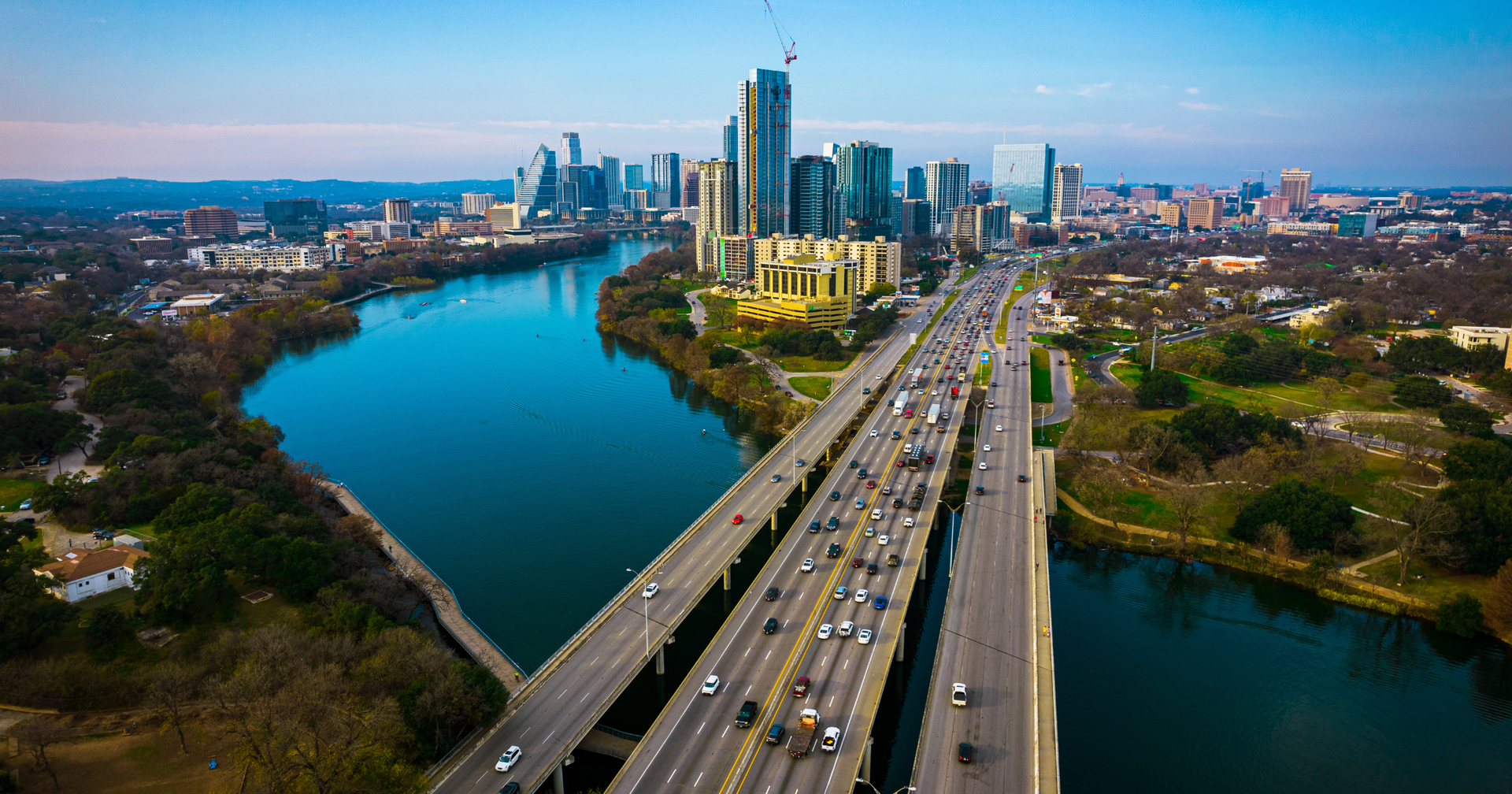
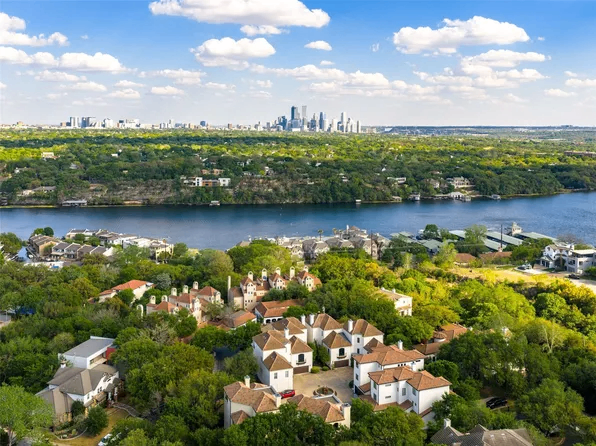
Austin, on the other hand, offers a different kind of luxury—one defined by lifestyle and spontaneity. We often tell clients, "It's all about being able to walk out your front door and be on a paddle board on Ladybird Lake in 20 minutes or go check out a dive bar music venue." The city's culture is built around creativity, innovation, and immediate access to unique experiences. Imagine a bachelorette party on a convertible school bus driving down Barton Springs Road – that's the authentic, unscripted vibe of Austin. While Dallas boasts a world-class Arts District, Austin's music, art, and culture feel deeply ingrained into the city's fabric, making it a more participatory experience. For a deeper dive into what living in Austin truly entails beyond the glossy brochures, check out Here's the Austin Reality VS the Postcard Version. Watch this before Moving to Austin!.


Economic Engines: Austin's Tech Momentum vs. Dallas's Fortune 500 Stability

Dallas has traditionally been a corporate powerhouse, anchored by numerous Fortune 500 companies and a diversified economy, offering stability for traditional career paths. In contrast, Austin's economy is driven by rapid growth in tech, innovation, and advanced manufacturing, attracting companies like Tesla, Apple, and Oracle, and fostering a future-forward job market.


Austin, however, embodies the new frontier. While Dallas provides stability, Austin offers momentum, rapidly becoming a global destination for companies and individuals leading future innovation. The aspirational moniker "Silicon Hills" is now a reality, with major tech hubs like Apple and Oracle, and the Tesla Gigafactory—Tesla's headquarters—located just east of Austin. This move by one of the most forward-thinking technology companies on the planet speaks volumes about Austin's future-forward appeal.


The economic story goes even deeper, with a staggering $45 billion investment into the Samsung Semiconductor Factory in Taylor, Texas, significantly boosting the Austin area's economy. Furthermore, the expansion of healthcare, including multi-billion-dollar investments in the UT Medical Center and MD Anderson, is establishing Austin as a hub for healthcare research and innovation. This tangible economic momentum translates into consistent year-over-year job growth, ranking Austin among the top job-performing cities nationwide. While Dallas remains a safer bet for corporate jobs, Austin offers a chance to be part of the future—a city of high growth, high reward, attracting ambition and talent.


The Real Price of Admission: Cost of Living in Austin vs Dallas

It's no secret that Austin typically comes with a higher price tag than Dallas, a fact that often gives potential relocators pause. The greater Austin metro area sees median home prices hovering in the $400,000s, but within the primary city limits, that figure rises to the mid-$500,000s. In contrast, Dallas's median home price sits around $400,000 to $415,000. This means for the same budget, you'll generally get more physical square footage in Dallas.


On paper, Dallas appears to be the clear winner for affordability. However, this higher price tag in Austin isn't a flaw; it's a reflection of its desirability. We often frame it this way for clients: "Dallas gives you more house for your money, and Austin gives you more life for your money." People aren't just buying property in Austin; they're investing in access to a unique lifestyle—Hill Country views, lakes, greenbelts, a vibrant food scene, and the city's live music culture.


Beyond housing, everyday costs like utilities, groceries, and gas are largely comparable between the two cities. While some pockets of Dallas may have slightly higher property tax rates, the higher home values in Austin often balance this out, resulting in similar overall tax burdens. The narrative that Austin is simply "too expensive" misses the point: people are choosing the experience and lifestyle Austin offers, even if it means a smaller home for a higher price. If you're considering a move and want to understand what your budget can realistically achieve, especially with significant investments, our video Moving to Austin with a $1M Budget? What You ACTUALLY Get May Surprise You! provides an essential reality check.

After-Work Life: Austin's Organic Adventures vs. Dallas's Curated Entertainment

After work, Austin offers an organic, participatory lifestyle centered on live music and extensive outdoor activities, from paddle boarding on Ladybird Lake to exploring greenbelts. In contrast, Dallas provides a more polished, curated entertainment experience, focusing on world-class spectator sports, high-end shopping, and a vibrant arts district.


Austin, conversely, provides an after-work life that feels more organic, active, and participatory. As the "Live Music Capital of the World," Austin truly earns its motto with hundreds of music venues, from intimate dive bars to large-scale arenas. This culminates in global events like the Austin City Limits Music Festival and South by Southwest (SXSW), which transform the city into an international stage. Beyond music, Austin's true differentiator is its immediate access to the great outdoors right in the city's heart.


We're talking about extensive greenbelts, the iconic Barton Springs Pool (a natural, 70°F spring-fed pool year-round), and Zilker Park, a 350-acre "city's backyard." Ladybird Lake, right in the city center, offers paddle boarding, fishing, kayaking, and canoeing. Further out, lakes like Lake Travis, Lake Austin, and Canyon Lake provide a plethora of outdoor activities. A weekend in Dallas might involve watching a game at a billion-dollar stadium, while an Austin weekend is more likely to involve kayaking, hiking a greenbelt, or discovering a new band. One is a produced experience; the other is an adventure. For those looking to invest in areas poised for growth, understanding these lifestyle drivers is key, as explored in Austin Neighborhoods About to Explode: Here's Where You Should Be Looking for the Best Investments!.

Has Austin Dethroned Dallas? The New Texas Dream

Whether Austin has officially dethroned Dallas depends on how you measure a city's success. If traditional metrics like population, economic output, and corporate offices are your sole reference points, Dallas still holds a strong claim, remaining larger and more established. However, the definition of a "top city" is evolving, shifting focus to lifestyle and cultural identity.

Today, success is less about the height of skyscrapers or the volume of corporate headquarters and more about cultural identity, gravitational pull, and the daily experiences a city offers. The most crucial question for modern relocators is, "Does where I live make my life better and more enjoyable?" On this front, we believe Austin is definitively winning. Austin isn't just a place to work and sleep; it's a place to truly live your life.


The shift we're witnessing is a move away from the corporate, traditional definition of success towards a new aspirational idea of life experience, innovation, and community. While Dallas offers world-class dining, arts, and sports (Mavericks, Cowboys), Austin also boasts its own vibrant sports scene (Austin FC at Q2 Stadium, UT football, basketball, baseball), Michelin-star restaurants, diverse food trucks, and emerging shopping districts. In the battle for identity and talent, Austin's unique blend of tech, culture, and outdoor life creates a much stronger gravitational pull. Dallas was the king of the old Texas, but Austin is rapidly becoming the capital of the new Texas, and in our opinion, the throne has been taken.


Key Takeaways

  • Austin's Vibe Shift: The city has transformed from a sleepy music town into an aspirational hub, prioritizing lifestyle, creativity, and outdoor access over traditional corporate polish, attracting a new generation of wealth creators.


  • Economic Momentum: While Dallas offers Fortune 500 stability, Austin is a high-growth tech and innovation powerhouse, home to major players like Tesla, Apple, Oracle, and a $45 billion Samsung semiconductor investment, driving consistent job growth.


  • Cost vs. Lifestyle: Austin's median home prices are higher (mid-$500,000s in the city center vs. Dallas's $400,000-$415,000), but residents are paying for a unique lifestyle, not just square footage, valuing experiences over property size.


  • After-Work Life: Austin offers an organic, participatory after-work life centered on live music (ACL, SXSW) and extensive outdoor activities (greenbelts, Barton Springs Pool, numerous lakes), contrasting with Dallas's more produced, spectator-oriented entertainment (stadiums, high-end shopping).


  • Redefining Success: The battle for Texas supremacy is shifting from traditional metrics like corporate offices to cultural identity and quality of life, where Austin's gravitational pull for talent and its focus on living life to the fullest are increasingly making it the preferred choice.


Should You Move to Austin or Dallas?

Austin might be right for you if you prioritize:

  • A vibrant, creative, and laid-back culture


  • A career in tech, innovation, or life sciences


  • Immediate access to extensive outdoor activities and natural beauty


  • A participatory lifestyle with live music and unique experiences


  • Being part of a rapidly growing, future-focused economy


Dallas might be better if you prioritize:

  • A traditional corporate career path with Fortune 500 opportunities


  • More square footage for your housing budget


  • A polished, curated metropolitan experience with high-end amenities


  • Spectator sports and established entertainment venues


  • A larger, more diversified corporate base with greater stability


Frequently Asked Questions (FAQ)

Q: Is Austin better than Dallas for living?


A: Austin is increasingly seen as offering a better overall quality of life for those prioritizing lifestyle, outdoor activities, and a vibrant, innovative culture, though Dallas may appeal more to those seeking traditional corporate stability and more affordable housing square footage.


Q: What is the cost of living in Austin vs Dallas?


A: Austin generally has a higher cost of living, particularly in housing, with median home prices in the city center reaching the mid-$500,000s compared to Dallas's metro median of $400,000-$415,000, though other day-to-day expenses like utilities and groceries are comparable.


Q: Which city has a better job market, Austin or Dallas?


A: Dallas offers a vast, stable job market with numerous Fortune 500 corporate opportunities, while Austin's job market is characterized by high growth and innovation, particularly in tech, advanced manufacturing, and life sciences, attracting ambitious talent and future-focused companies.


Q: What is the culture like in Austin compared to Dallas?


A: Austin's culture is defined by creativity, a laid-back vibe, and a strong emphasis on live music and outdoor activities, embodying "flip-flops, sneakers, and startups," whereas Dallas's culture is more polished, corporate, and curated, often associated with "suits, ties, and boardrooms."


Q: Why are people moving to Austin, Texas?


A: People are moving to Austin for its dynamic tech economy, innovative job opportunities, unique cultural identity as the "Live Music Capital of the World," extensive outdoor lifestyle, and a strong sense of community that prioritizes life experiences over traditional corporate success.


---

Watch the Full Video

For more insights, watch the complete video: Austin Winning? Living in Austin vs Dallas Reality Check

---


Making Your Move Easier

Moving forward does not have to be overwhelming. With the right guidance and support, you can navigate this journey smoothly. Justin is ready to help you every step of the way.


Here's how to get in touch:


📧 Email: justin@justin-rossi.com


📞 Phone: (512) 312 7379


💻 YouTube: Everything Austin TX


Recent Posts

By Justin Rossi May 27, 2026
TL;DR A $1 million home budget in Austin, Texas, requires strategic trade-offs between central location, property size, and modern amenities. While central Austin offers lifestyle proximity in smaller, older homes, moving to the suburbs or Hill Country unlocks significantly larger, newer properties with more features, albeit with longer commutes. Understanding these choices is key to a successful Austin relocation. --- 📺 Watch the video: https://www.youtube.com/watch?v=X8Wp7MxnaYg

By Justin Rossi May 22, 2026
After helping numerous families relocate to Austin, Texas, over the past decade, we've learned that the local real estate market demands a fresh approach. Buyers coming from aggressive markets like New York or California often overpay by tens of thousands of dollars, clinging to outdated bidding strategies. The Austin real estate landscape isn't the fierce frenzy it once was; it's a normalizing market where strategic, data-driven decisions are paramount. In our experience as Austin real estate advisors, we've guided buyers through significant market shifts, from peak seller's markets to the current balanced environment. This transition means the power dynamics have changed, and buyers with strong financing and a smart strategy are now in a prime position to secure favorable deals. We've seen firsthand how understanding seller psychology and market data can unlock substantial savings on your home purchase. This guide will break down the ultimate insider secret for Austin home negotiation : leveraging Days on Market (DOM) to your advantage. We'll show you how to identify motivated sellers, craft compelling offers based on real sold data, and secure massive seller concessions and interest rate buydowns. Whether you're moving from Los Angeles, San Francisco, Houston, Texas, or anywhere else, we'll equip you with the knowledge to make a winning move in Austin. Understanding the Austin Market Shift Austin's real estate market has transitioned from intense bidding wars to a more balanced and strategic environment. This shift means buyers no longer face the fierce frenzy of previous years, allowing for more calculated decisions. Success now hinges on a smart, data-driven approach, offering significant opportunities for those looking to invest in Austin homes. For buyers, especially those relocating to Austin with strong equity from sales in other markets, this shift represents a significant opportunity. Inventory is higher, and sellers are more willing to negotiate. This allows buyers to step back, take a breath, and make calculated decisions rather than rushed, emotional ones. We've observed this shift firsthand, noting that homes in the Austin area are now averaging between 60 to 90 days on the market before an offer is accepted. The Days on Market (DOM) Motivation Meter The single most critical piece of data for buyers in Austin is the Days on Market (DOM) for any given listing. This metric provides a direct insight into how motivated a seller truly is, which is your greatest tool for successful Austin home negotiation. We tell our buyer clients that any listing sitting on the market for 30 days or more starts to present a really interesting opportunity. Once a property crosses this threshold, a seller's mindset typically shifts from wanting the highest possible price to simply wanting to get the home sold. This psychological pivot is where your power as a buyer begins to grow, as the market itself is signaling that the initial pricing or strategy was likely incorrect. Properties that have had at least one, if not multiple, price reductions are prime targets. Nearly half of the homes on the Austin market have gone through at least one price reduction, which is often an indicator of opportunity rather than a flaw in the home. This is further explored in Buying a House in Austin? Don't Believe These 7 Lies! , where we debunk common misconceptions about the market. Crafting Your Data-Driven Austin Home Negotiation Strategy To move beyond emotional bidding wars, a strategic, data-backed approach is essential for crafting your home offer in Austin. Our proven framework guides buyers through a three-part process: conducting a strategic home search, determining a real-world valuation based on market data, and constructing a smart, compelling offer that stands out to motivated sellers. First, we set up a strategic home search, filtering for properties with 30 or more Days on Market and looking for listings that have undergone price reductions. These are the homes where sellers are most responsive to market feedback and ready to negotiate. We avoid shiny new listings designed to draw emotional, over-market offers, focusing instead on opportunities where we can be the only offer at the negotiation table. Our next step is building a strategic offer based on real market data, not arbitrary list prices. We conduct a comparative market analysis (CMA) focused on sold listings from the past 90 days, not active ones. As we often say, "something is only worth what someone's willing to pay for it." For example, if a home is listed at $650,000 but similar homes have sold for $615,000, our offer will reflect that true market value, presented with comprehensive data to support our valuation. Beyond Price: Leveraging Seller Credits and Rate Buydowns One of the most impactful negotiation tactics in the current Austin market involves shifting focus from solely lowering the purchase price to securing seller credits. While a credit doesn't change the sales price, it significantly reduces the amount of money you need to bring to the closing table, which is a game-changer for buyers . Sellers are often more willing to offer credits than to publicly reduce their list price, especially if they've already had price drops. Instead of fighting for another $10,000 off the list price, we might ask for $10,000 in credits for closing costs or, even better, to buy down your interest rate. A seller-paid 2-1 buydown, for instance, can reduce your interest rate by 2% in the first year and 1% in the second, saving hundreds of dollars monthly and providing a window to refinance if rates drop. This collaborative approach makes the deal work for both parties. Relocating Buyers: Your Unique Advantage in Austin Relocating buyers often hold a distinct advantage in the Austin market, particularly those coming from higher-cost states with strong equity. Austin, Texas, was recently ranked one of the strongest buyer's markets in the country, meaning your strong financing and potentially larger down payment can be a powerful negotiating tool. For a seller whose home has been on the market for 90 days, the worst-case scenario is going under contract only for the deal to fall through due to buyer financing issues. This forces the home back on the market, often leading prospective buyers to assume there's something wrong with the property. As we emphasize in Moving to Austin? Ask THIS before Buying a House! , a clean, well-funded offer provides immense security to an anxious seller. If you're coming with strongly backed financing or are a cash buyer, your offer presents significantly less risk. We always have our buyers' lenders call the listing agent to explain the financial strength of the offer, giving United States a crucial leg up. This positions you as the buyer with a solution to the seller's biggest problem: getting their home sold reliably.
By Justin Rossi May 19, 2026
TL;DR Many buyers relocating to A ustin, Texas, fall for common myths that can lead to expensive mistakes, from underestimating true monthly costs due to high property taxes and hidden fees to believing all suburbs are interchangeable. We expose these 7 critical lies, emphasizing the importance of independent agent representation for new builds and strategic negotiation, ensuring a smart long-term real estate investment. --- 📺 Watch the video: https://www.youtube.com/watch?v=0cGHCxDAbTA
By Justin Rossi May 15, 2026
After helping numerous families relocate to Austin over the years, we've learned that while a neighborhood might look perfect on paper, the daily reality can be quite different. Mueller, Austin, Texas, consistently stands out as a prime example—it's pitched as the ideal walkable urban village, and for good reason. Its pristine parks and modern new homes are a rare combination in Central Austin, making it an appealing choice for many. In our experience as local real estate agents who have lived in Austin our whole lives, we understand that making a smart move means looking beyond the glossy brochures. We've seen firsthand how the Mueller Austin market operates, with homes recently selling for about 99% of list price, indicating strong buyer competition. Our goal with this analysis is to give you the transparent, real-world insights we share with our clients, ensuring you're happy with your decision years down the road, not just a week after closing. In this comprehensive guide, we'll dive into the benefits and the often-unseen drawbacks of living in Mueller, from its unparalleled walkability and community spirit to the trade-offs in character, cost, and ongoing development. We'll help you determine if the unique "Mueller Vibe" aligns with your priorities, or if another Austin neighborhood might be a better fit. The Allure of Mueller Austin: Walkability and New Homes Mueller, Austin, Texas, truly delivers on its promise of walkability, setting a gold standard for urban living in Central Austin. Unlike many other Austin neighborhoods where "walkable pockets" still require a drive for essentials, Mueller was intentionally designed as a 15-minute city, allowing residents to access groceries, coffee shops, restaurants, and entertainment all on foot. Walkability That Actually Works Living in Mueller Austin means daily conveniences are genuinely within reach. We've found that residents can wake up, walk to a coffee shop, grab groceries at H-E-B, enjoy lunch, and even catch a movie, all without needing a car. The entire neighborhood is interwoven with parks and trails, making it a truly car-optional environment for many daily activities. Beyond the immediate neighborhood, Mueller also boasts proximity to the Metro Rail Line, expanding walkable access to other areas throughout Austin. Prime Central Austin Location & Commute Mueller's location offers significant advantages, situated about 3 miles north of Downtown Austin. This central position provides excellent connectivity, sandwiched between I-35 and United States-183. This means residents have convenient options for commuting to the tech corridor, the University of Texas at Austin (UT), or the downtown area when driving is necessary. While the community champions walkability, its strategic location ensures that longer commutes are also manageable, especially with the 2026 expansion of the Airport Blvd corridor and its integration into the Project Connect light rail expansion. Modern, Energy-Efficient Housing Finding new homes in Central Austin is a rare feat, but Mueller offers a diverse range of modern, energy-efficient housing options. The community features traditional single-family homes, condos, townhomes, and rowhomes. These new residential phases, including a shift toward luxury modern condos and townhomes, are built with energy efficiency as a priority. This means residents benefit from lower utility costs and contemporary designs that are hard to find in older, more established Austin neighborhoods. For those considering a move to the Austin area, it's crucial to understand how these housing styles compare across different communities. We've broken down various options in I Broke Down Austin So You Don't Make This Mistake! Watch Before Relocating to Austin! , offering insights into what to expect before relocating. Expansive Parks & Strong Community Life Mueller is renowned for its abundant green spaces, boasting 140 acres of meticulously maintained parkland. The crown jewel is the 30-acre Mueller Lake Park, which serves as the social heart of the neighborhood with its pond, amphitheater for community events, and vibrant atmosphere. This extensive park system, coupled with amenities like the Thinkery children's museum, fosters a remarkably strong sense of community. We've observed that social life in Mueller is effortlessly accessible, with regular food truck nights, seasonal festivals, and concerts. This intentional design encourages neighbors to connect and build relationships, creating a lively and engaging environment for all ages. For those prioritizing community and public green spaces, Mueller offers an unparalleled experience. Unpacking the Mueller Vibe: Trade-offs and Realities While Mueller offers undeniable advantages, it's essential to look beyond the highlight reels and understand the daily trade-offs that come with its meticulously planned environment. The "Mueller Vibe" is distinct, and it's not for everyone, often surprising those who expect a different kind of Austin character. The "Planned Perfection" vs. "Keep Austin Weird" Dilemma Mueller's pristine and planned nature, while appealing to many, can also be its biggest drawback for others. It definitely lacks the "Keep Austin Weird" vibe that Central Austin is famous for. This means if you're seeking a neighborhood that has organically evolved with quirky, energetic character, Mueller might feel a bit too sterile and monochromatic. As we often tell clients, "It's not as trendy. It's not as gritty and it's just not as real. It feels a lot more polished and just planned out." This core tension between planned perfection and organic character is a significant trade-off to consider. The Cost of a Curated Environment: POA Fees & Property Taxes The curated, well-maintained environment of Mueller comes with a higher cost than just the home price. Residents face property taxes typically above 2.1%, alongside Property Owners Association (POA) fees. These fees, while contributing to the upkeep of the beautiful parks, ponds, and community centers, can be substantial and, at times, unpredictable. For example, after a hail storm in 2023, some residents saw their POA dues spike to almost $300 to cover insurance deductibles. This means budgeting for Mueller living requires accounting for these ongoing and potentially variable costs, which are higher than average for the Austin area as a whole. Living with Growth: Construction, Noise, and Parking As of May 2026, Mueller is still a growing community, with entire sections yet to be completed. This means residents must contend with ongoing construction, noise, traffic detours, and the general growing pains that accompany development. While new amenities are a long-term benefit, the daily reality includes living in a perpetual construction zone. Additionally, Mueller's popularity extends beyond its residents, making parking a consistent challenge, especially around community centers, the H-E-B, and restaurant rows. This can be a daily headache for those who prefer to drive rather than walk. Who Thrives in Mueller Austin? Mueller Austin is an ideal neighborhood for those seeking a modern, convenient urban lifestyle, particularly young professionals, remote workers, and families prioritizing public green spaces over large private yards. Its unique blend of walkability and community amenities caters to residents who value an active, connected environment. Young Professionals & Remote Workers Mueller is an excellent fit for young professionals and remote workers, with an average age of about 35 years old. If your ideal life involves a central location where you can easily transition from work to leisure—shutting your laptop and walking to a coffee shop, bar, or movie theater—then Mueller delivers. The combination of walkability and newer construction is incredibly difficult to find elsewhere in Austin, making it a prime location for those seeking a vibrant, convenient urban lifestyle. We often discuss how different Austin neighborhoods cater to various demographics, and Mueller consistently ranks high for this group, as explored in Austin Neighborhoods About to Explode: Here's Where You Should Be Looking for the Best Investments! . Families Prioritizing Public Green Space & Amenities While Mueller homes often feature smaller yards, the trade-off is access to massive public outdoor spaces. This makes it a fantastic choice for families who prioritize being able to walk out their front door directly into parks, playgrounds, and community amenity centers. With places like the Thinkery children's museum nearby, along with numerous non-outdoor activities like lunch spots and boba tea, there's always something for the whole family. The strong community events, from festivals to outdoor concerts, also provide ample opportunities for both adults and children to make friends and build connections. Environmentally Conscious Residents For those passionate about the environment, Mueller offers a rare opportunity in Texas to live a significantly less car-dependent life. The neighborhood's design, with its transit system access, extensive bike lanes, parks, and trails, allows residents to reduce their carbon footprint simply by choosing where they live. This focus on sustainable, walkable living makes Mueller one of the few places where an impactful, environmentally conscious lifestyle is genuinely achievable. Who Might Find Mueller Austin Challenging? Mueller Austin may not be the right fit for everyone, especially those seeking the authentic 'Keep Austin Weird' character or large private backyards. Residents sensitive to ongoing construction noise or prioritizing top-tier public schools without relying on lottery-based options might also find it challenging. Those Seeking Authentic "Old Austin" Character If you're a buyer seeking the authentic, quirky "Keep Austin Weird" character that defines much of Central Austin, Mueller might disappoint. As locals who've lived here our whole lives, we know the soul of Austin, and Mueller, with its polished, master-planned feel, isn't quite it. It lacks the grit and organic evolution found in older neighborhoods. If that unique Austin funkiness is what you're after, we recommend exploring areas like Brentwood, Crestview, or Hyde Park, which offer walkability combined with that distinct Austin soul. This is a common point we make when discussing the reality versus the postcard version of Austin, a topic we dive into further in Here's the Austin Reality VS the Postcard Version. Watch this before Moving to Austin! . Families Prioritizing Top-Tier Public Schools For families where schools are the absolute number one priority, careful research into third-party ranking sites is essential when considering Mueller. Austin Independent School District (AISD) generally ranks middle-of-the-road. While many Mueller families take advantage of charter or magnet schools like Kealing Middle School and Liberal Arts and Science Academy (LASA) High School, which are lottery-based options, this requires proactive planning. This means parents should do their homework on specific campus ratings and lottery systems before committing to the area if top-tier public schools are a non-negotiable factor. Noise-Sensitive Residents & Those Desiring Large Yards If you are particularly sensitive to noise and disruption, the ongoing construction in Mueller, which is expected to continue until mid-2026, will likely wear on you. Living in a developing area means constant activity, and for some, this can be a significant source of stress. Additionally, if a large private backyard is high on your priority list, Mueller's high-density living and smaller yard houses might not be suitable. The community trades private outdoor space for expansive public parks, a compromise not every homeowner is willing to make. Mueller Austin Neighborhood Review: The Final Verdict Mueller, Austin, delivers on its promises of walkability, connectivity, and a prime location near major employers and Downtown Austin. However, it does so as a meticulously planned, polished community, which is both its greatest strength and its most limiting factor for some. The question isn't whether Mueller is a good neighborhood—it undeniably is—but rather, does it align with your personal lifestyle and priorities? Mueller Austin: Pros & Cons at a Glance
By Justin Rossi May 13, 2026
TL;DR Austin, Texas is undergoing a massive transformation with three key infrastructure projects: the UT Medical Center expansion in North Austin, the I-35 Cap & Stitch downtown, and the city-wide Project Connect light rail system. These developments are redefining job growth, urban connectivity, and real estate opportunities, making a smart relocation strategy more crucial than ever. --- 📺 Watch the video: https://www.youtube.com/watch?v=6x4RKsQh0bg
By Justin Rossi May 11, 2026
After helping countless families navigate the Austin real estate market, I've seen firsthand that the difference between a good buy and a great buy often comes down to thinking like an investor. Even if you're buying a primary residence, focusing on areas with strong underlying fundamentals—not just the immediate 'vibe'—can lead to substantial wealth building over five, seven, or even ten years. As a local real estate advisor who has lived in Austin my whole life, I’ve dedicated my career to helping people make smarter buying decisions that truly hold up for the long haul. My goal isn't to chase fleeting 'hot' neighborhoods, but to identify pockets with genuine long-term appreciation potential, driven by factors like strong demand, job growth, and solid fundamentals. In this comprehensive guide, I'll break down the specific Austin neighborhoods and surrounding areas where I see the most promising opportunities for buyers who want to think like investors. We'll explore everything from central scarcity plays to booming job corridors and stable family-friendly suburbs, ensuring your Austin real estate investment is a confident, long-term decision. What Makes an Austin Real Estate Investment a Smart Long-Term Bet? An Austin real estate investment becomes a safe long-term bet when it's grounded in strong, defensible fundamentals rather than fleeting trends. This means evaluating areas based on access to jobs, robust infrastructure projects, a compelling lifestyle pull, inherent scarcity, and a clear resale story. These factors collectively drive sustainable housing demand and appreciation over time. First on the list is access to jobs, which is the number one driver of housing demand. I always look at current job access and future projections over the next 5-15 years, considering major employers like the tech corridor, the Tesla Gigafactory, and the expanding hospital systems. Second, infrastructure plays a crucial role. Are there real, funded projects like the Cap and Stitch project for I-35, toll road expansions, or Austin's light rail system, Project Connect, that will make an area more accessible? Easier access typically translates to higher demand. The third factor is lifestyle pull—what draws people to an area beyond jobs, such as restaurants, music venues, entertainment, parks, and trails. Finally, scarcity, particularly in Central Austin where land is limited, significantly impacts long-term value. For other areas, unique benefits like highly-rated schools or proximity to major employers also keep demand strong. Ultimately, a clear resale story, making the property's appeal easy to understand (e.g., walkable to South Congress, great schools for families), tends to lead to higher prices and faster sales. Central Austin: Scarcity-Driven Value & Redevelopment Potential Central Austin neighborhoods like Windsor Park, University Hills, the MLK Springdale area, and parts of North Loop and Highland offer strong long-term demand primarily due to land scarcity. These areas are closest to the city's core, providing excellent proximity to jobs, downtown, healthcare systems, and overall daily livability. This means their values tend to remain robust even during market shifts. In these central pockets, you're investing in the inherent value of limited land. Their proximity to major employment centers and the vibrant downtown area ensures consistent demand. A significant long-term infrastructure play here, though still a ways off, is the Capital Express project and the Cap and Stitch project for I-35. This ambitious plan aims to lower sections of I-35 through the downtown and UT corridors, capping them with mixed-use spaces and parkland to better connect East and West Austin. The trade-off for buying in these areas is that they are not a bargain; you're paying a premium for that scarcity. Homes are typically older and may require more maintenance or renovation, but for those seeking the quintessential Austin lifestyle and vibe, the strong demand anchors your home's value, making it a solid long-term play rather than an immediate cash flow investment. South Austin Real Estate Value: Overlooked Pockets Near Hotspots Overlooked pockets around the South Manchaca corridor, St. Elmo, Cherry Creek, a Denver neighborhood, and Garrison Park offer significant value for those seeking classic South Austin charm. These areas provide the vibrant lifestyle and amenities of South Austin, including access to Zilker Park and Barton Springs, but at a more approachable price point than premium neighborhoods. This allows buyers to benefit from the desirability of nearby hotspots without the higher cost. As South Congress continues its development push further south, these adjacent neighborhoods are poised to benefit most from the spillover effect. Homes here are typically older, ranch-style properties situated on larger lots, presenting excellent opportunities for buyers interested in renovations or additions to add value. The 78745 zip code, in particular, offers a strong rent-to-value proposition, making it an attractive option for both immediate occupancy and future rental income. The trade-offs include older homes with potentially older systems, necessitating a thorough inspection, and increased congestion on major roads like Manchaca Road and South Lamar. However, the proven demand from a wide range of buyers in these areas tends to lead to strong resale values. If you're looking for a deeper dive into Austin's diverse landscape, Confused About Austin Neighborhoods? This Map Tour Fixes That offers a great visual breakdown. Northeast Austin: The Job Growth Corridor Around Pflugerville & Manor Pflugerville, Manor, Hutto, and even Taylor, Texas, represent Austin's booming northeast corridor, where long-term growth is driven by a powerful combination of affordability and job creation. As Austin proper becomes less accessible for some, these areas offer an attractive alternative, especially with major employers establishing a strong presence. This means sustained long-term demand for housing in these burgeoning communities. This region benefits from the Dell campus in Round Rock, the tech corridor on Palmer Lane, and the massive Samsung factory in Taylor, which represents a huge investment into the local economy. Accessibility is also improving with enhancements to the 130 toll road, allowing residents to bypass I-35 congestion. Pflugerville stands out with a median home price around the $300,000 range, offering a family-friendly vibe and highly-rated schools. Manor and Taylor are directly in the path of the Samsung growth, making them strong long-term plays. The trade-offs include a more suburban feel, lacking the urban chic of central Austin. Additionally, the prevalence of new construction to meet demand means future competition if you plan to sell within a few years, as new builds can often offer better incentives. The key here is to buy for the long-term regional upside, not for a trendy, short-term lifestyle. Family-Friendly Austin Suburbs Investment: Cedar Park & Leander For buyers prioritizing stability and family-oriented living, Cedar Park and Leander in the northwest corridor offer a reliable and safer investment play. These suburbs are characterized by highly-rated schools, more spacious homes, and established communities with abundant family amenities. This means consistent buyer demand and a predictable, long-term appreciation trajectory. These areas provide a comfortable suburban environment with numerous shopping centers, community amenity centers, trails, and parks, making family life easier and highly desirable. Schools are consistently well-regarded, further boosting their appeal. Commute times to central Austin areas like The Domain or Mueller are reasonable, typically 20-30 minutes via 183, depending on traffic. Median home prices in Cedar Park hover around the mid-to-high $400s to low $500s, reflecting strong family demand. Leander offers a slightly more affordable version of this lifestyle, with a good mix of new construction and established neighborhoods. The trade-offs include less opportunity for finding deep value compared to other pockets, as demand is already robust. New construction can also present competition if you plan to sell in a few years. It's also important to note that these areas offer a suburban feel, not the eclectic vibe of central Austin. For a broader perspective on what to expect when moving to the area, Here's the Austin Reality VS the Postcard Version. Watch this before Moving to Austin! provides valuable insights.
By Justin Rossi May 7, 2026
TL;DR This map tour video demystifies Austin's diverse neighborhoods and suburbs, from the tech-centric North to the eclectic South, luxurious West, evolving East, and urban Central core. It breaks down each area's vibe, pricing, and lifestyle trade-offs, providing clarity for anyone considering moving to Austin, TX, and aiming to avoid common relocation regrets. --- 📺 Watch the video: https://www.youtube.com/watch?v=Iyac8lmY0qo
By Justin Rossi April 29, 2026
TL;DR Many envision a hyper-walka ble, vibrant Austin lifestyle, but the reality for most movers involves car dependency, strategic financial planning, and adapting to intense summer heat. Your address dictates your Austin experience, determining access to culture, commute, and community amenities. Understanding these trade-offs is crucial before relocating to avoid regret and find the right fit for your daily life. --- 📺 Watch the video: https://www.youtube.com/watch?v=gpx3TwxKIz4&t
By Justin Rossi April 27, 2026
TL;DR Austin's housing market is in a rare equilibrium, offering buyers significant leverage with high inventory and motivated sellers. New construction presents exceptional opportunities for rate buydowns and incentives, potentially locking in rates below 5%. Waiting for lower interest rates could lead to increased competition and higher home prices, making now a potentially strategic time to buy and refinance later. --- 📺 Watch the video: https://www.youtube.com/watch?v=_uPdBPzc_H0
By Justin Rossi April 23, 2026
After helping numerous buyers navigate the dynamic Austin real estate market, I've seen firsthand how appealing new construction can be, especially for those relocating. Deciding where to plant roots in a city as diverse as Austin requires a clear understanding of what each community truly offers beyond the model home aesthetics. In my experience guiding clients through their Austin move, I've learned that a community like Goodnight Ranch often presents a unique proposition: an Austin address with a master-planned feel that contrasts sharply with the older, more established neighborhoods. It's about finding that sweet spot between modern convenience and the authentic Austin experience. This guide will break down the true living experience in Goodnight Ranch, from its location and community vibe to housing options and pricing. I'll help you understand who this southeast Austin gem is perfect for, and who might find it's not quite the right fit for their lifestyle. Let's explore if Goodnight Ranch aligns with the life you're building here. Where is Goodnight Ranch Located in Austin? Goodnight Ranch is strategically located in southeast Austin, offering residents an Austin Proper address without the central city feel. This location places it near other communities like Onion Creek and Easton Park, making it a relevant option for those exploring new builds in the area. While having an Austin address is a significant draw for many, it's important to understand the trade-offs. Goodnight Ranch provides that newer master-planned community experience, but it isn't designed for a downtown or highly central Austin lifestyle. Its location makes more sense if your daily life or commute centers around the downtown corridor, South Austin, or areas east towards the airport or the Tesla Gigafactory. For those commuting north of downtown or the Colorado River—towards destinations like The Domain, Mueller, Round Rock, or the tech corridor off West Palmer Lane—the commute can feel significantly longer than it appears on a map. As someone who makes these commutes, I can tell you it adds friction to your daily life. This is a critical consideration if your professional or personal life frequently takes you to North Austin. If you're weighing your options for new construction, you might also find insights in New Austin Construction: Smart Deal or Massive Mistake? helpful for a broader perspective. What is the Vibe and Community Feel Like in Goodnight Ranch? Goodnight Ranch distinguishes itself with a well-thought-out, structured, and organized community vibe that feels distinctly different from older, more character-driven South Austin neighborhoods. It's not trying to be "old Austin" or the trendiest spot; instead, it offers an approachable and easy-to-understand lifestyle. This community appeals to buyers who prioritize a cohesive community experience over the quirkiness or historical character of a home. It's a place where ease and convenience are paramount, designed for residents who appreciate a clear layout and a less overwhelming environment compared to some of the larger master-planned communities in the Austin area. Goodnight Ranch vs. Easton Park: A Key Comparison Many buyers considering Goodnight Ranch also look at Easton Park, a larger master-planned community nearby. Here’s a quick comparison:
Show More