










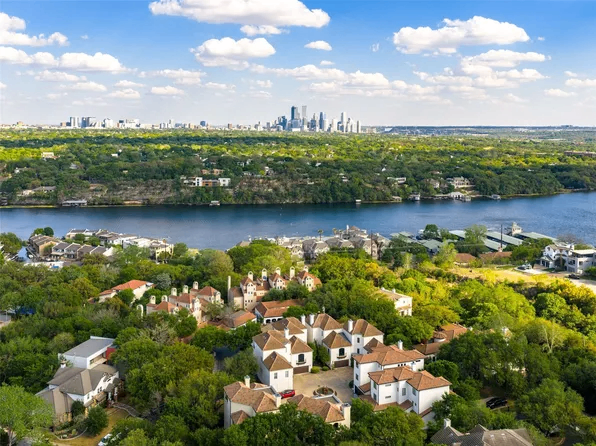
TL;DR Choosing the right Austin walkable neighborhoods can transform your daily life, offering access to amenities without constant car dependence. This guide breaks down Austin's top five most walkable areas—Downtown, Clarksville, Zilker, Hyde Park, a Tampa neighborhood, and Mueller—highlighting their unique lifestyles, real estate costs, and who they best suit. We also touch on the luxury of Tarrytown, helping you identify the perfect fit for your Austin relocation. --- 📺 Watch the video: https://www.youtube.com/watch?v=FEH_ItCvgEI

After helping numerous families relocate to Austin, Texas, we've learned that the common advice to "rent for a year" often comes from a good place but can lead to significant financial setbacks. While it feels cautious, this approach can easily cost you $30,000 to $50,000 in lost capital and missed equity building opportunities in a dynamic market like Austin. In our experience as Austin real estate advisors, we've guided countless clients through the nuances of this decision, from understanding local neighborhoods to navigating market shifts. The Austin market has seen considerable changes, and what was once conventional wisdom may no longer be the smartest strategy for your move. In this comprehensive guide, we'll break down the real costs of renting, why the current Austin real estate market might be a unique opportunity for buyers, and the specific situations where renting truly makes sense. We'll explore the financial implications, strategic advantages, and how local expertise can help you make an informed decision for your move to Central Texas. The Conventional Wisdom: Renting First in Austin The advice to rent for a year when relocating to Austin Texas typically stems from a desire to protect newcomers from making a mistake. It sounds reasonable to take time to learn the city, understand neighborhoods, school systems, and commute patterns before committing to a purchase. This cautious approach is often recommended by friends or family who want to ensure you find the perfect fit. However, this seemingly safe strategy overlooks the significant financial implications of delaying a home purchase in a growing market. While getting to know Austin is valuable, the cost of that "experience" can be substantial, as we'll explore. It's a balance between comfort and financial prudence, and for many, the latter often outweighs the former in the long run. The Real Cost of Renting in Austin, Texas Renting for a year in Austin can easily cost you $30,000 or more, money that offers no return in equity or ownership. A decent family rental—think three bedrooms in a desirable Austin neighborhood with good schools—starts at around $2,500 per month, often closer to $2,800 or $3,000 in prime areas. This means a 12-month lease at a conservative $2,500 per month totals $30,000 out of your pocket. This $30,000 isn't building your future; it's paying someone else's mortgage. At the end of the year, all you have is a year of Austin experience, but zero equity and zero ownership. This capital could have been a significant contribution to your own down payment or closing costs, directly impacting your ability to build wealth through homeownership. This foundational loss is just the baseline, before considering market appreciation. Why Austin's Current Market Favors Buyers Housing is usually the biggest budget factor in this market, whether someone plans to rent first or buy right away. This means the housing choice will usually decide whether this market feels comfortable, stretched, or out of reach. This buyer-friendly landscape presents a unique window of opportunity for those relocating to Austin Texas . Delaying a purchase means potentially missing out on these advantageous conditions. The long-term trajectory for Austin's growth, job market strength, and continued demand suggests that this buyer's market may not last indefinitely, making now a strategic time to enter the market. If you're considering moving to a growing Austin suburb, you might find additional insights in Living in Kyle Texas... Worth It? The Reality of This Fast Growing Austin Suburb . The Interest Rate & Appreciation Trap Waiting for lower interest rates can create a financial trap for buyers in Austin. When rates eventually drop, increased demand often leads to competitive bidding and higher home prices. This means any savings from a lower interest rate could be offset, or even surpassed, by paying significantly more for the same property due to market appreciation. Consider a scenario where home prices appreciate by just 5% over a year on a $500,000 property. That's an additional $25,000 you'd pay for the same house. Combine this with the $30,000 lost in rent, and you're potentially $55,000 behind where you would have been had you bought today. This cost of waiting often far outweighs any potential savings from a slightly lower interest rate later. Strategic Buying: Lock Price, Refinance Later The smartest strategy for many buyers relocating to Austin Texas is to purchase now while prices are favorable and competition is lower, with the intention to refinance later when interest rates eventually drop. The purchase price of a home is locked in forever, but the interest rate can always be changed. This approach allows you to capitalize on the current buyer's market and secure a lower entry price. By buying now, you avoid the risk of price appreciation and increased competition that often accompanies a drop in interest rates. Then, when rates become more favorable, you can refinance to reduce your monthly payments, effectively getting the best of both worlds: a lower purchase price and a lower long-term interest rate. This strategy requires being comfortable with current payments and understanding that while there's no crystal ball, rates are likely to fluctuate in the future. Local Expertise: Your Alternative to Renting First Many people choose to rent first because they fear making a mistake in an unfamiliar city. They worry about buying in the wrong neighborhood, selecting a school district that doesn't fit, or enduring a commute that becomes unbearable. This fear is valid, especially when relying on online rumors or social media hype that often skip over practical daily realities. However, with the right local expertise, renting first becomes an unnecessary and expensive detour. We've lived in Austin our entire lives and know these neighborhoods intimately—not just from maps or listings, but from driving the streets, experiencing the commutes, and helping countless families buy and sell homes here. We understand what the drive from Round Rock to downtown feels like on a Tuesday morning and how to ask the right questions to narrow your search to two or three specific neighborhoods that genuinely fit your life, budget, and family. We even offer video tours and scavenger hunts to help our clients confidently pick their target areas from afar, removing the need for an initial lease. It's all about making an informed decision, as further explored in Relocating to Austin? Why Homebuyers Regret Their Decision After Their First Brutal Summer! . When Renting in Austin Actually Makes Sense Housing is usually the biggest budget factor in this market, whether someone plans to rent first or buy right away. This means the housing choice will usually decide whether this market feels comfortable, stretched, or out of reach. Uncertainty about Location: You truly don't know what part of Austin you want to be in and lack a trusted resource to help you figure it out. In this case, the expense of renting might be less than the cost of buying in the wrong place and needing to sell quickly. Trial Run for the City: You're unsure if Austin is the right city for you long-term and want to give it a trial run before committing to a purchase. Financial Adjustments: Your financial picture needs another 6 to 12 months to stabilize or improve before you're in a strong position to purchase a home. This could involve credit health constraints or saving for a larger down payment. Specific Career/Relocation Situations: You're moving for a job with uncertain long-term prospects, or you're navigating a complex corporate relocation package that might benefit from a temporary lease. Austin's robust job growth and incredible lifestyle attract many, as discussed in Even Texans Choose Living in Austin over Dallas, Houston, and San Antonio! . These are legitimate reasons, and in these specific cases, the initial lease serves as a valuable, albeit costly, insurance policy against a potentially larger mistake.
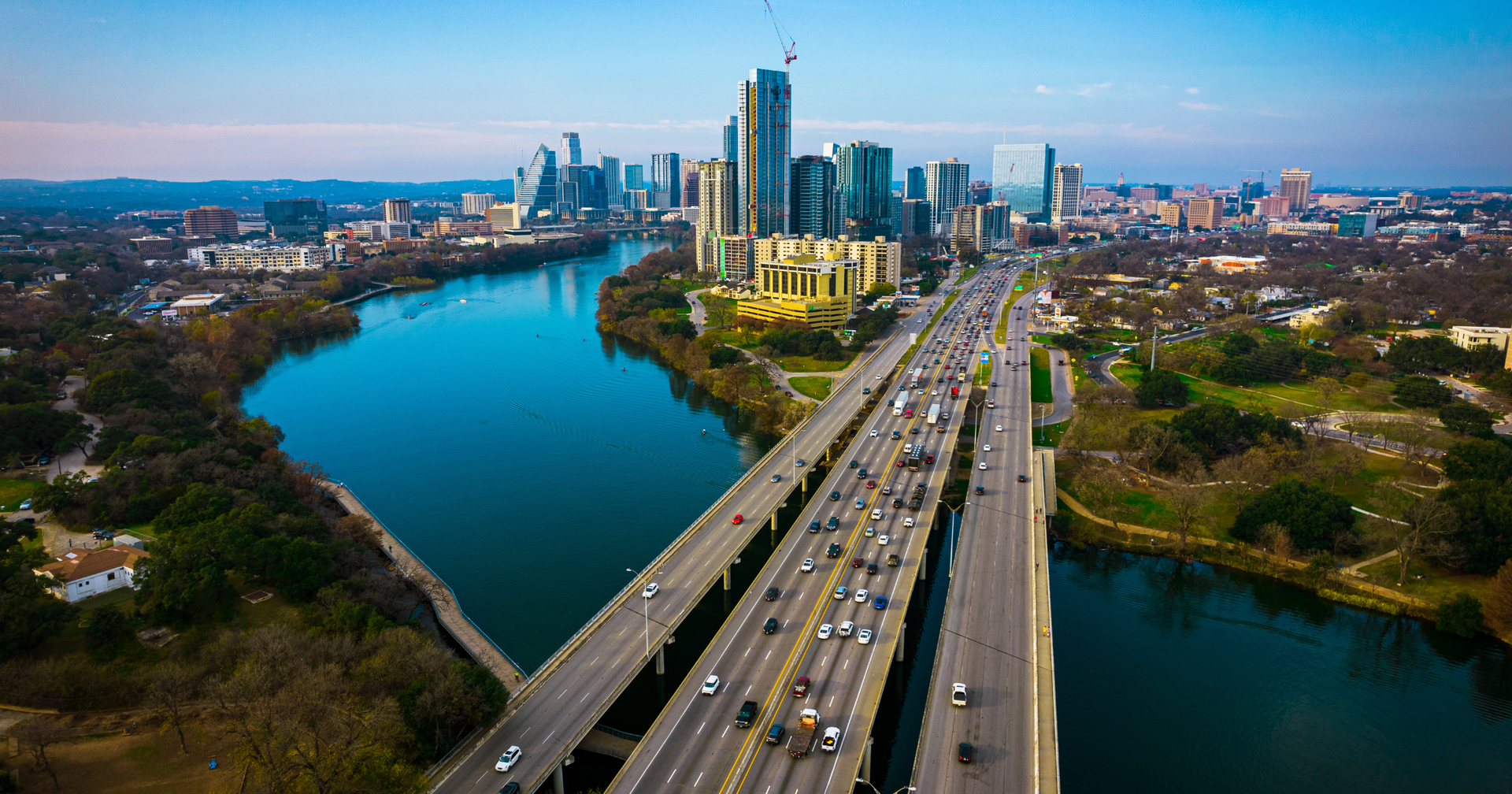
TL;DR The narrative of Austin bei ng solely overrun by Californians is outdated. Our analysis reveals that the majority of new residents are 'Move-Up Texans' from other major Texas cities, followed by a significant 'Southern Surge' from hubs like Miami, Florida and Atlanta, Georgia. While Californians still relocate, they do so with more measured expectations, often surprised by local realities like property taxes and summer heat. --- 📺 Watch the video: https://www.youtube.com/watch?v=PYHb75OBCcA